|
[Para ver la versión en español visite aquí).
Dear Neighbors,
Who and how the largest public school system in the country is governed, has huge implications on the education of our children and youth in New York City. For the last 20 years, Mayoral Control has governed our schools and it is due to sunset at the end of June. This means that the state legislature will be heavily deliberating on whether to renew, change, or scrap it altogether. Fortunately, the New York State Department of Education (NYSED) is conducting a series of hearings to gather feedback from all stakeholders, including students, parents, teachers, school administrators, staff, and individuals with experience and expertise in education policy and school governance. There is also a study on how school governance has worked over the last two decades.
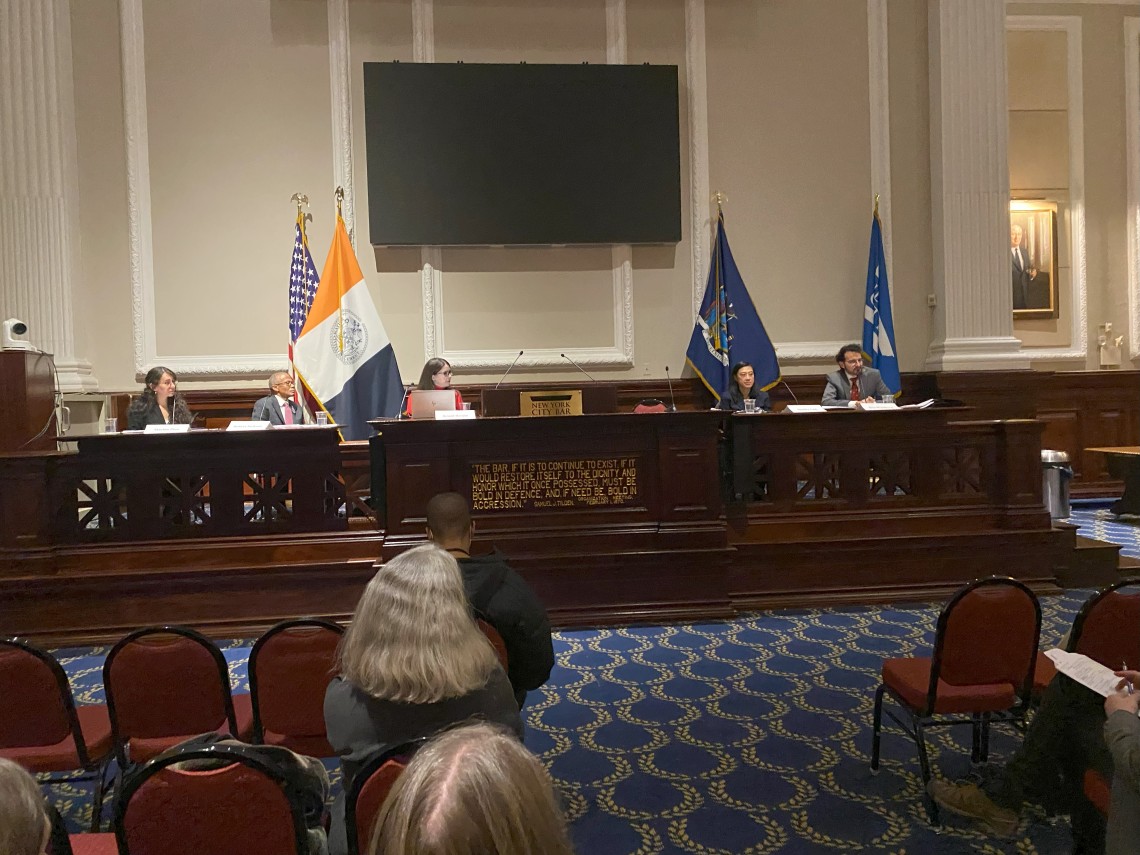
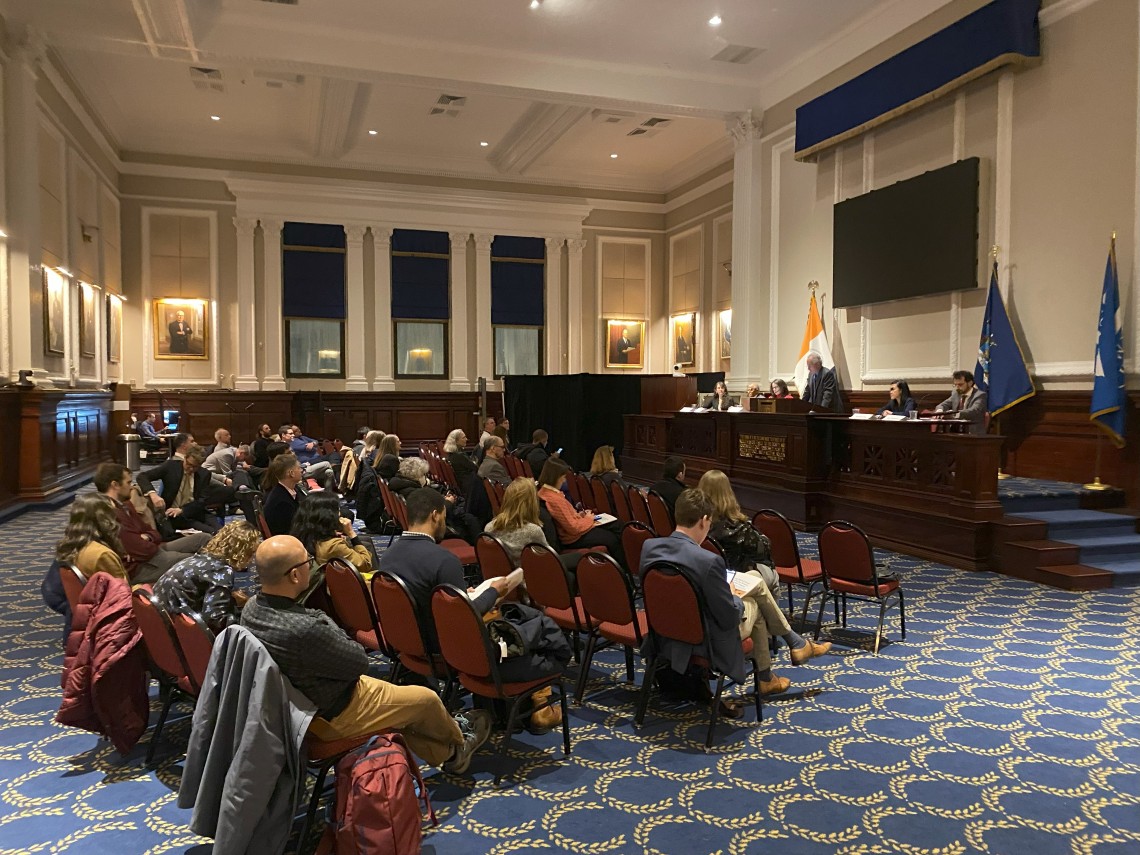
The most recent hearing took place in Manhattan on Thursday night at Fashion Industries High School. During the hearing, many members of the public, the vast majority being parents, teachers, and students voiced grave concerns about the negative impacts of mayoral control in its current form. The message was unequivocal: the current version of Mayoral control is not benefiting all students, and it must be re-evaluated to establish a better system of checks and balances.
This is particularly evident in the failure of the last three mayors to lower class size, despite promises to do so during their campaigns, and Mayor Adams's open resistance to complying with the new class size law. Other concerns included the mismanagement of migrant students’ enrollment and abrupt switching of schools caused by their evictions from shelters, large contracts with vendors with little to no transparency, changes in curriculum with scant input from teachers in the classroom, budget cuts impacting students and school resources, and school reconfigurations with no regard to the existing school community in place. The factors that contributed to the failure and harm of mayoral control fell into two categories that are interconnected: lack of accountability and the Panel for Education Policy, which acts as NYC’s school board, serving as a rubber stamp for the mayor.
I am a staunch advocate for meaningful parent engagement and ensuring that students and educators inform policies that shape their education. This aligns with the longstanding call from advocates for more parental decision-making power channeled through the Community Education Councils (CECs). I also support the various proposals that call for a restructuring of the Panel for Education Policy (PEP), which votes on contracts and some school regulations. This restructuring would ensure that parents have a legitimate say in policies affecting their students. The current makeup of the PEP consists of 23 members. 13 members, over half of the membership, are appointed by the mayor, while the remaining 10 are evenly split between borough presidents and CEC parent appointees.
The overwhelming majority of testimonies submitted during the hearings, including Brooklyn and Queens oppose continuing Mayoral control and are calling for a democratic, community-driven process. I am committed to working diligently alongside my colleagues in Albany to review the final report from the state Department of Education and develop solutions that enable a school governance structure that is accountable to the public, transparent, responsive to the holistic needs of all students, and is efficient in prioritizing and moving our public education forward.
Peace & blessings,
RJ
*I invite you to continue reading this weekly update for valuable information on resources and employment opportunities. Stay safe!*
|