|
[Para ver la versión en español visite aquí).
Dear Neighbors,
Once again, New York State will miss its April 1st deadline to pass a state budget — a troubling pattern that reflects deeper issues within our budget process, and the imbalance of power that defines it.
At the center of this delay is the continued practice of including unrelated policy items in the state’s budget negotiations. I, along with many of my colleagues in the Legislature, strongly believe that the state budget should be a fiscal document — not a vehicle for advancing controversial or complex policy proposals that have not been fully vetted by the public or debated through regular legislative channels.
But to understand why this keeps happening, it’s important to understand how the budget process in New York works — and why it differs significantly from what many people might expect.
Understanding the Budgetary Delay & The Governor’s Outsized Role in the Process
This pattern of delay is symptomatic of a broader issue within our state governance. In New York, the budget process—originally intended as a tool for fiscal planning—has become entangled with legislative negotiation, giving the Governor outsized influence over its outcomes.
Over time, this process has morphed into a parallel legislative track, one where the executive can embed policy changes into the budget—changes that might falter if subjected to the full scrutiny of standalone legislation. Instead of serving solely as a financial blueprint, the budget has become a Trojan horse for policy, shifting the balance of power and often sidelining the Legislature’s rightful role in shaping the laws of our state.
This imbalance stems from the state constitution and a series of court decisions — particularly Silver v. Pataki (1998) and Pataki v. New York State Assembly (2004). These rulings affirmed the Governor’s extensive powers in shaping the content of the budget, especially through what are known as Article VII bills. These are the policy bills that accompany the appropriations bills and are intended to reflect legislation necessary to implement the budget.
While Article VII was designed to ensure that the budget reflects related fiscal legislation, Governors have increasingly used this authority to insert unrelated or contentious policy initiatives into budget negotiations. These proposals often would not pass on their own merit through the standard legislative process.
Fiscal Responsibilities and Policy Implications:
This year’s budget negotiations have once again become a proxy for policy debates that belong in open legislative hearings, not behind closed doors in budget discussions. The consequences of these power dynamics are now playing out again. With no agreement on a topline spending number, and key policy issues absorbing the focus of negotiations, we are now heading to a late budget.
This tactic forces the Legislature to choose between holding up the entire budget or accepting policies they might otherwise oppose. This creates a high-pressure, race-against-the-clock environment—where important decisions are rushed and the voices of communities, experts, and everyday New Yorkers who deserve a say in how laws are made are left out.
It is crucial to recognize that the budget should primarily be a financial document — a detailed plan for revenue and expenditures that ensures the state’s operations are both effective and efficient. However, the embedding of significant policy changes within the budget risks not only delaying necessary fiscal decisions but also reduces transparency and complicates the democratic process.
To address this, I introduce bill S945, which amends Article VII of the New York State Constitution to give the legislature equal powers to the governor in the budget process. By restoring a democratic balance and fairness, we ensure our budget process returns to its rightful purpose: a transparent, collaborative, and equitable planning mechanism serving the genuine needs and aspirations of all New Yorkers.
Key Points of Contention:
This week, much of the Legislature’s time has been consumed by the Executive’s policy proposals, which have overshadowed and diverted attention from critical fiscal negotiations on housing, healthcare, public education, and infrastructure funding.
Key issues have included:
On Mask Restrictions:
The Governor’s late-stage request to crack down on mask-wearing raises serious civil liberties concerns, particularly in a political climate where protest, public health, and personal freedom intersect. This is not an issue that should be resolved through budget negotiations, without meaningful legislative debate and input from affected communities.
On Discovery Reform:
The Senate and Assembly have both excluded the Governor’s proposed changes from their one-house budgets. Many of us are open to reviewing the implementation of existing discovery laws, but we remain deeply concerned that the Governor’s approach would undermine the important reforms passed in 2020. These changes were designed to ensure fairness and transparency in the criminal justice system. Any effort to modify them must be data-driven, constitutional, and protective of the rights of both the aggrieved and the defendant.
On Involuntary Commitment:
I support a serious investment in mental health services, but I cannot support policies that expand coercive treatment without addressing underlying systemic failures. The Governor’s proposal to broaden involuntary commitment standards does not come with the necessary safeguards, transparency, or community-based support. Our priority must be voluntary, trauma-informed, and person-centered care that meets people where they are — not policies that further criminalize or institutionalize vulnerable New Yorkers.
On the CDPAP Transition Crisis: Home Care & Jobs at Risk
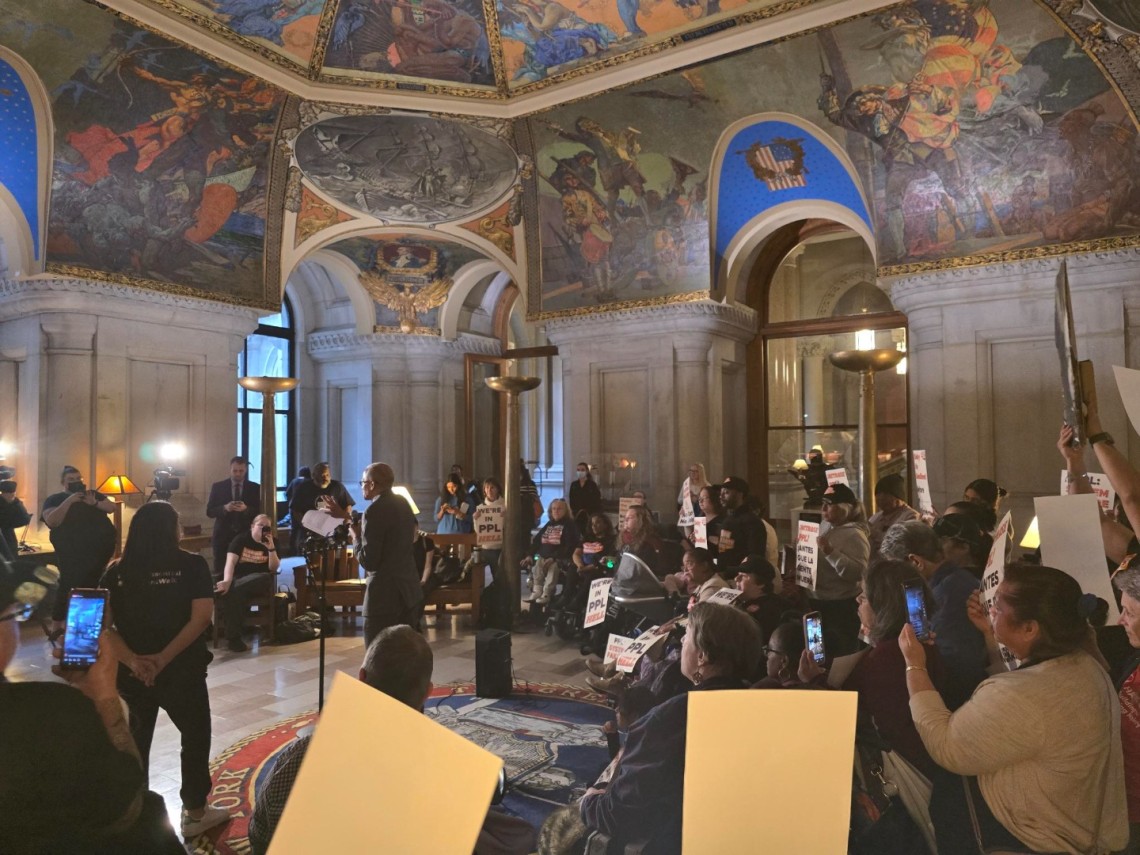
The abrupt shift of the Consumer Directed Personal Assistance Program (CDPAP) to a single fiscal intermediary—Public Partnerships, LLC—poses an immediate and profound threat to both the home care workforce and the communities they serve. Administrative failures would leave hundreds of thousands of home care workers in limbo, while inadequate health plan options will jeopardize their wages, benefits, and security.
This transition not only endangers livelihoods—it risks unraveling the very fabric of care for our elders and neighbors living with disabilities. Until transparency is restored and the rights of workers are fully protected, our Senate Majority has made it clear: this process must be delayed. We cannot allow a change of this magnitude to proceed unchecked, threatening to destabilize care for thousands of families across New York.
Moving Forward:
As your elected representative, I remain committed to a responsible, transparent, and values-driven budget process. I advocate for separating fiscal management from policy legislation, allowing each to proceed on its merits and through proper channels. This approach not only aligns with good governance practices but also ensures that critical issues receive the thorough debate and consideration they deserve.
Your Role:
Engagement in this process by informed citizens like you is essential. I encourage you to review the details of the Senate's One-House Budget Resolution at this link. Together, we can strive towards a governance model that truly reflects our collective values and priorities.
In Unity,
RJ
*I welcome you to continue reading this weekly update for valuable resources, and don’t forget to scroll to the end for community updates.*
*Stay connected! Follow me on all social media platforms—just click the icons below!*
|